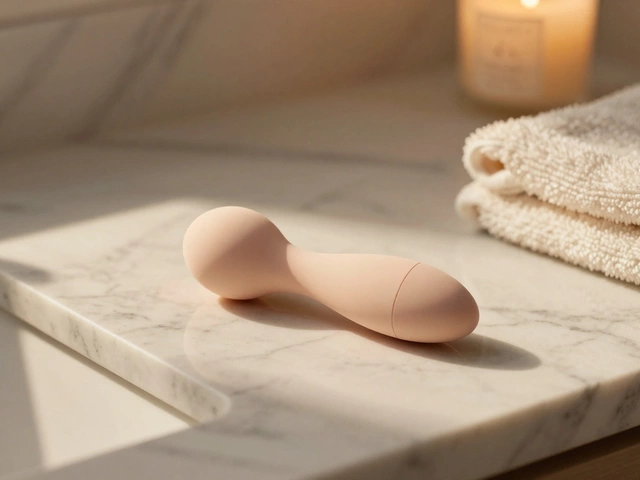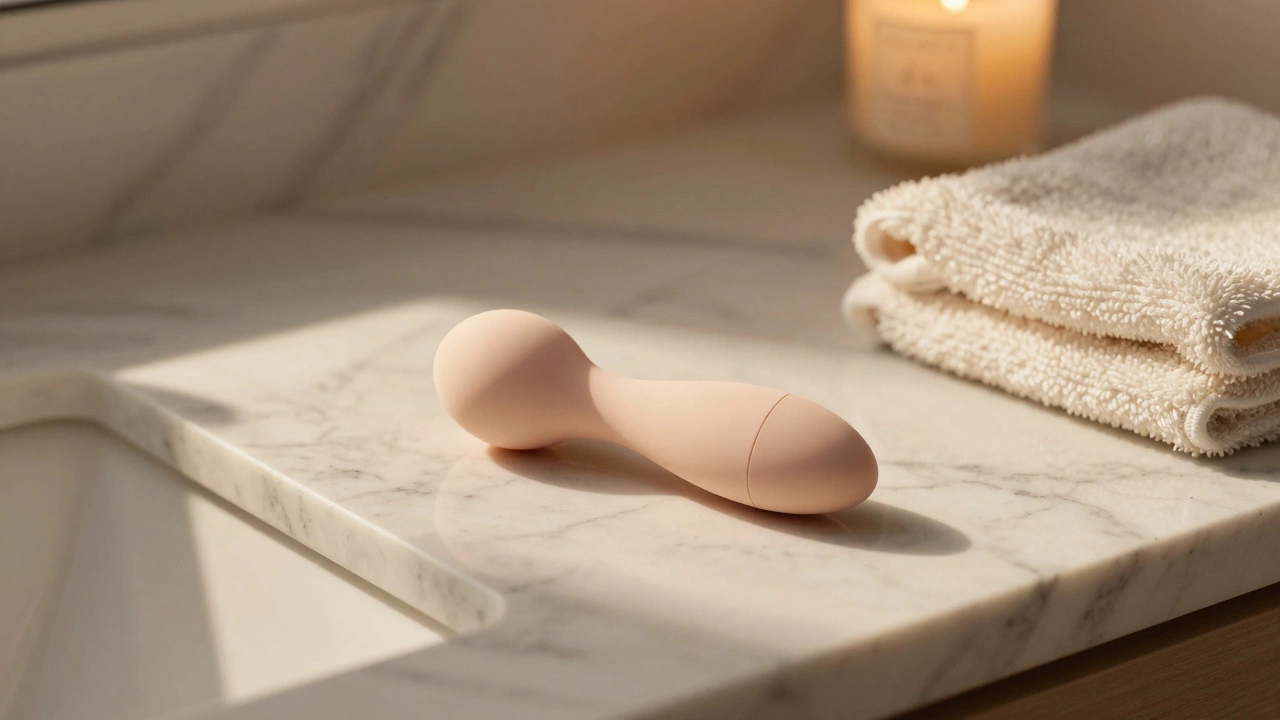
People have been using tools for pleasure since before recorded history. The ancient Greeks carved phallic objects from stone. Victorian women visited doctors for "hysterical fits"-what we now know was just a need for release, disguised as medical treatment. Today, we call it a vibrator. But if you call it something else-a massager, a wellness device, a relaxation tool-does it change what it does? Not really. The object hasn’t changed. Only the words around it have.
That’s why you’ll sometimes hear about nancy spa dubai offering services that blur the line between luxury and intimacy. These aren’t just massages. They’re experiences designed to release tension, stimulate sensation, and reconnect people with their bodies. Some call it outcall massage. Others call it sexual massage. The label doesn’t change the feeling.
Why Do We Hide Behind Euphemisms?
We live in a world where we’ll happily buy a "personal massager" at a pharmacy but cringe if someone says "vibrator" out loud. Why? Because language is a shield. We use it to avoid discomfort, to protect our image, to sidestep judgment. A vibrator is a device. But when you call it a "sensory enhancer," you’re not just renaming it-you’re rebranding desire as self-care.
This isn’t new. In the 1920s, electric vibrators were marketed as medical devices to treat "neurasthenia"-a catch-all diagnosis for women who were tired, anxious, or sexually active. By the 1950s, manufacturers shifted tactics. They stopped selling to doctors and started selling to homemakers through catalogs. "For relaxation," the ads said. "For muscle relief." The truth? It was always about pleasure. But pleasure needed a polite disguise.
The Rise of the Discreet Design
Modern vibrators look nothing like the bulky, industrial machines of the past. Today’s devices are sleek, silent, and designed to blend into a bathroom drawer or a nightstand. Some look like lipstick. Others like USB chargers. One popular model even resembles a sleek pen. The design isn’t accidental. It’s psychological. When something looks like everyday tech, it feels safer to own, to use, to talk about.
Brands know this. They use words like "quiet," "discreet," "smart," and "app-controlled" to make the product feel less taboo and more like a tech upgrade. But underneath the app interface and the Bluetooth pairing, it’s still the same basic function: stimulation. The tech just makes it easier to pretend it’s about sleep or stress relief.
What Happens When We Stop Pretending?
There’s a growing movement-especially among women, queer communities, and sex educators-that says: let’s just call it what it is. No more euphemisms. No more hiding. A vibrator is a tool for sexual pleasure. Period. And that’s okay.
Studies show that people who use vibrators regularly report higher levels of sexual satisfaction, better body awareness, and more confidence in communicating their needs with partners. One 2023 survey of 2,000 adults in the U.S. found that 68% of women who used vibrators said they felt more in control of their sexual experiences. That’s not coincidence. It’s empowerment.
When we stop sanitizing the language, we stop shaming the behavior. And when we stop shaming, we start understanding.
Outcall Massage and the Blurred Lines
There’s a reason outcall massage services are growing in cities like Dubai, Berlin, and Los Angeles. People want privacy. They want control. They want a professional who knows how to touch, how to listen, how to respond. Some of these services are purely therapeutic. Others? They’re explicitly about pleasure. The line between relaxation and eroticism is thin-and increasingly, people are choosing to walk it.
Sexual massage isn’t just about touching genitals. It’s about full-body awareness, breathwork, rhythm, and trust. It’s about giving someone permission to feel without judgment. In cultures where open discussion of sexuality is taboo, these services become a quiet revolution. They’re not about sex in the traditional sense. They’re about relearning how to feel.
That’s why the term sexual massage is gaining traction-not as a euphemism, but as a descriptor. It’s honest. It’s direct. And it doesn’t pretend to be something else.
Why Names Matter More Than You Think
Language shapes perception. If you call a vibrator a "female health device," you’re framing it as medical. If you call it a "pleasure tool," you’re framing it as personal. If you call it a "toy," you’re infantilizing it. Each label carries weight.
And labels affect sales. A 2024 market analysis showed that products labeled "for intimate wellness" sold 40% better than those labeled "adult toys" in the same retail chain. People aren’t buying less-they’re buying differently. They’re buying with less guilt.
The same applies to services. A massage advertised as "relaxation therapy" gets more clicks than one labeled "erotic." But if the experience is the same, why does the name matter? Because shame doesn’t disappear just because you change the sign.

What’s Next for Sexual Wellness?
We’re moving toward a future where pleasure isn’t hidden behind clinical terms or marketing fluff. More clinics are offering sexual health consultations that include vibrator recommendations. More therapists are trained in sensual touch techniques. More apps are guiding users through solo exploration-not as a fix for loneliness, but as a form of self-love.
And in places like Dubai, where cultural norms are shifting rapidly, services like nancy spa dubai are becoming part of a larger conversation about autonomy, privacy, and bodily rights. These aren’t just businesses. They’re reflections of changing attitudes.
The vibrator didn’t change. The world just caught up.
Choosing What’s Right for You
If you’re curious about vibrators, start simple. Look for one with adjustable speeds, quiet operation, and body-safe materials like medical-grade silicone. Avoid jelly rubber-it can degrade and harbor bacteria. Start with a small, external model. You don’t need 10 settings or an app to feel good.
And if you’re exploring services like outcall massage, do your research. Read reviews. Ask about hygiene, boundaries, and consent. A good provider will welcome questions. A bad one will make you feel like you’re asking too much.
There’s no right way to experience pleasure. Only honest ones.